
Leading Foundation Repair Supplies To Restore Structural Integrity
Explore trusted products that provide reliable solutions for foundation stabilization and prevent future structural issues.
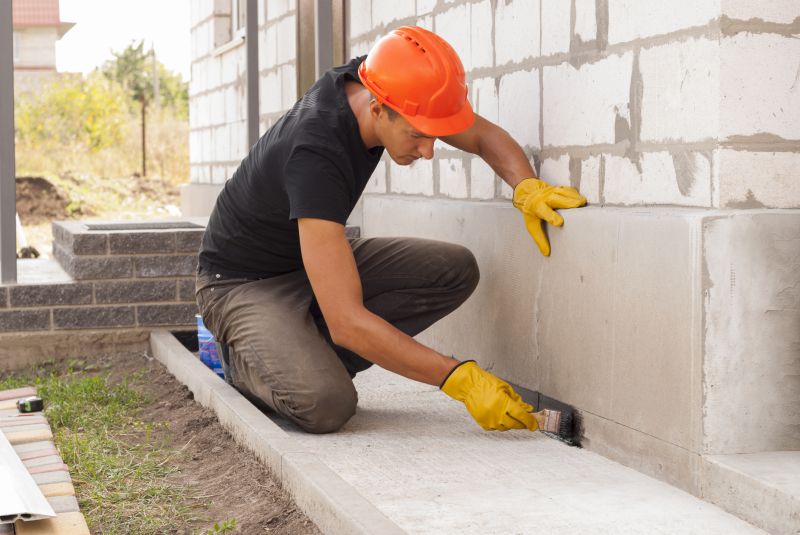 Foundation repairs are a critical aspect of maintaining the structural integrity of a building, especially in regions like La Grange, IL, where soil conditions and weather patterns can impact the stability of foundations. A variety of products are available to address different types of foundation issues, including cracks, settling, and shifting. Selecting the right products depends on the specific problem, the extent of damage, and the underlying soil conditions. Proper application and professional guidance are essential to ensure long-term stability and safety.
Top Overall Option
Concrete Pier and Support System
A versatile and widely used solution, concrete pier and support systems provide foundational stability by transferring weight to deeper, more stable soil layers. They are suitable for various foundation types and can be customized to fit specific structural needs, making them a reliable choice for many repair scenarios.
Types of Products For Foundation Repairs
Concrete Piers
Support structures that lift and stabilize sinking foundations by transferring weight to deeper soil layers.
Helical Piers
Steel shafts twisted into the ground to provide support for settling foundations, suitable for various soil conditions.
Underpinning Systems
Methods that strengthen and stabilize existing foundations, often involving concrete or steel supports.
Polyurethane Foam Injections
Expandable foam used to fill and seal cracks, providing immediate stabilization and sealing leaks.
Epoxy Crack Fillers
Resins used to seal cracks and restore the structural integrity of concrete surfaces.
Foundation Sealants
Waterproof sealants designed to prevent moisture intrusion and protect the foundation surface.
Drainage Systems
Solutions that divert water away from foundations to prevent water-related damage.
Soil Stabilizers
Chemical or physical agents used to improve soil stability around foundations.
Mudjacking Materials
Concrete slurry used to lift and level sunken slabs by filling voids beneath.
Steel Push Piers
Steel supports driven into the ground to provide additional load-bearing capacity.
Fiber Reinforced Polymers
Composite materials used to reinforce and strengthen cracked or damaged concrete surfaces.
Vapor Barriers
Materials installed beneath slabs or around foundations to control moisture migration.
Grout Injection Systems
Fluid grout injected into soil or cracks to fill voids and improve stability.
Foundation Braces
Structural braces installed to support walls and prevent movement or collapse.
Anchor Bolts
Metal bolts used to secure structures to foundation walls, enhancing stability.
Popular Choices
Often selected for their durability and support capabilities across various foundation types.
A trending option for adaptable foundation stabilization, especially in challenging soil conditions.
Popular for quick crack sealing and minor lifting needs, offering immediate results.
Widely used for sealing cracks and restoring concrete integrity in a variety of applications.
Commonly installed to improve water management around foundations and reduce moisture issues.
Frequently used to enhance soil support and minimize shifting or settling.
Preferred for lifting sunken slabs without the need for extensive demolition.
Chosen for their strength and ability to provide long-term support in deep soil conditions.
Popular for their role in preventing water infiltration and protecting foundation surfaces.
In demand for controlling moisture migration beneath slabs and around foundations.
Often selected to reinforce structural stability by anchoring walls securely to the foundation.
Gaining popularity for their ability to reinforce cracked concrete surfaces effectively.
Many foundation repair products are designed to provide support, lift, or stabilization to compromised structures. These include underpinning systems that reinforce the existing foundation, helical piers that transfer load to more stable soil layers, and epoxy or polyurethane injections that seal cracks and restore structural integrity. It is important to evaluate each product's compatibility with your specific foundation type, whether it is concrete slab, pier and beam, or basement foundation.
In addition to structural supports, waterproofing and drainage solutions play a vital role in preventing further damage. Products such as sealants, waterproof membranes, and drainage systems help manage moisture levels and protect foundations from water infiltration, which can exacerbate issues over time. Combining these products with structural repairs can significantly enhance the longevity of your foundation and reduce future repair needs.
When considering foundation repair products, it is advisable to consult with a professional who can assess the particular conditions of your property. Proper installation and maintenance are key to achieving the desired results. Always prioritize products that are suitable for your foundation type and soil conditions, and ensure they meet safety and quality standards to support your home or building effectively.
Key Buying Considerations
- Identify the specific foundation issue to determine the appropriate product type.
- Assess the soil conditions and their impact on foundation stability.
- Ensure compatibility of the repair product with your foundation material (concrete, pier, basement, etc.).
- Consider the extent of damage to select the most effective solution.
- Review installation requirements and whether professional assistance is recommended.
- Check product specifications for load-bearing capacity and durability.
- Evaluate the long-term maintenance needs of the repair system.
- Verify that products meet safety and quality standards applicable in Illinois.
- Determine if waterproofing or moisture control features are necessary for your situation.
- Consider the environmental conditions, such as moisture levels and drainage, that may influence product performance.
- Review warranty and support options offered by manufacturers or contractors.
- Factor in the ease of installation and whether specialized equipment is required.
- Compare cost-effectiveness relative to the severity of the foundation issue.
- Consult with a foundation repair professional for an accurate assessment and recommendations.
- Prioritize products with proven track records and positive customer feedback.